[previous submissions and comments here and here]
Nathan says:
Definitely the best of the three. I’m going to let those who were heavily invested in commenting on the previous two iterations do the heavy lifting here. Have at it!
The author says:
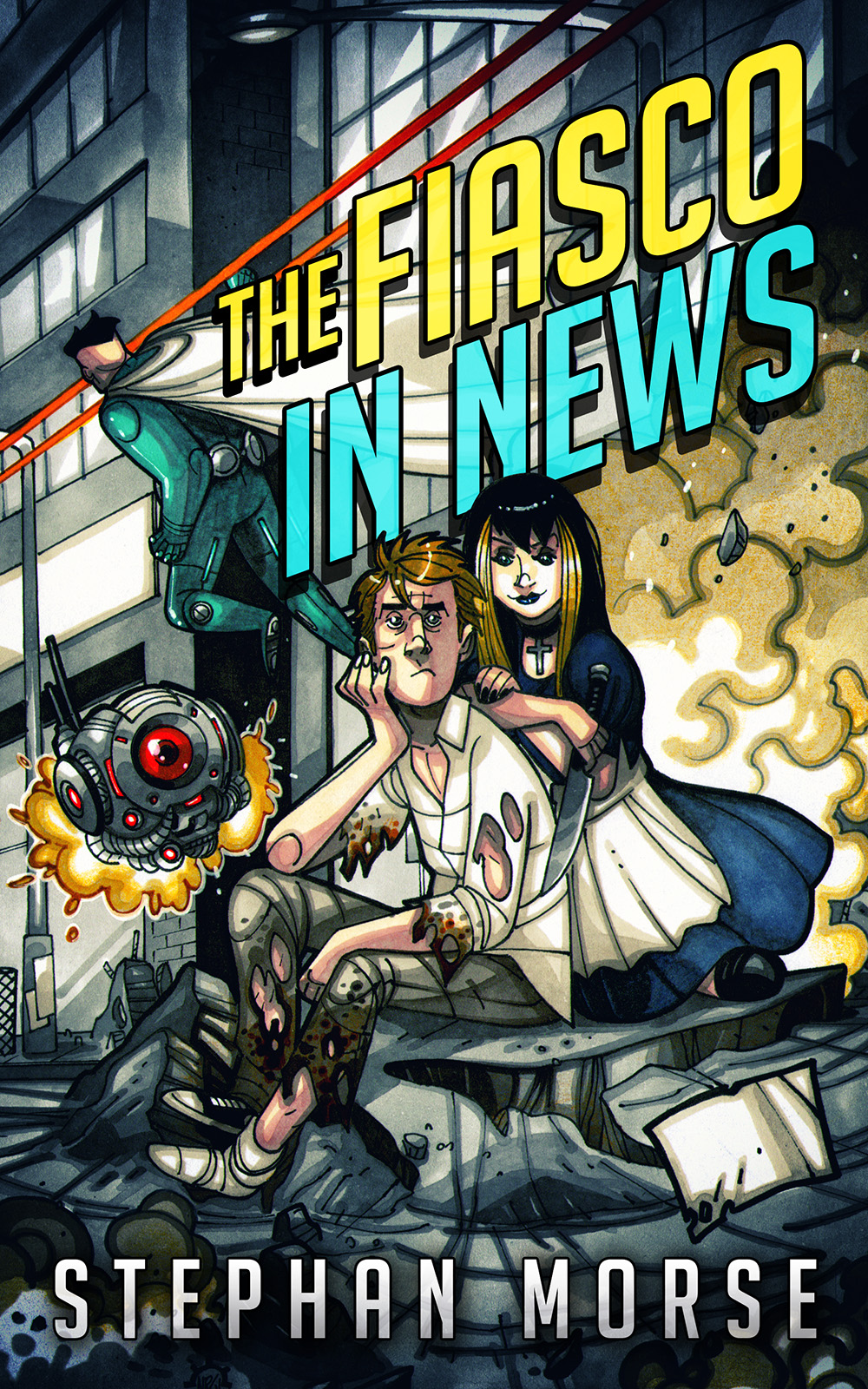
The book is a character-driven historical/literary fiction piece about a Canadian living in Germany during the Second World War. The book follows the main character, Henry Martens, from May 1944. Working for his uncle, a Nazi Party leader and factory owner, Martens has successfully evaded military service until events in his factory bring him to the notice of the Gestapo. From there he’s sent to military training with the German Army, and eventual assignment to a combat unit on the Russian Front. Martens juggles his desire to return home (with conscience intact) with the necessity of toeing the line with his German superiors in order to survive. But the more dedicated a German soldier he becomes, the more he does to survive the war, the more unlikely it will be that he can ever return to family and friends in Canada.
Nathan says:
This cover design looks like a throwback to early ’70s publishing for young readers by Scholastic and the like. As such, I don’t think it’s hitting your target readers, unless you’re aiming at juveniles with a book that is as much to teach them about history as to tell them a story.
I think you need to go back and look at the other books in your genre, and be clear what your genre is. A wartime drama is a DRAMA (set in wartime). A wartime suspense thriller is a SUSPENSE THRILLER (set in wartime). Use the cover to convey the type of story first, and the setting second.
Other comments?
The author says:
A collection of stories set in Victorian England that combine Sherlock Holmes style mysteries with the Cthulhu Mythos. January Ian “Jaim” Mariposa is a paranormal investigator whose partner/companion is a small black cat named Bubastis. That’s Bubastis on the cover. Target audience is cat lovers, mystery lovers, Lovecraft fans.
Nathan says:
The snark in me say that the cover is only missing two things:
It should be easy to find (or commission for a reasonable fee) something monstrous and Victorian; DeviantArt is awash in images like that.
Lovecraft fans in particular are always on the lookout for a good read, but you’ve got to include something on the cover to let them know that this book is for them — and if it isn’t in the title, it’s gotta be in the image.
Other comments?
The publisher says:
A collection of poems written between the two World Wars, now being reprinted. The poems are traditional in style, utilizing meter and rhyme. The poems will appeal to those who like this sort of poetry, particularly to nature lovers (about half the poems deal with nature in some way). The other poems cover a variety of topics: love, historical events, literature, patriotism, religious feelings, and others.
I’ve looked around and found some good advice about covers for fiction and non-fiction, but hardly anything about poetry. So I decided to put this draft of the cover up here. Don’t worry about the horizontal placement of the photo; it will bleed off the right and stop at the spine fold on the left (which may not be exactly where I have it at the moment). This cover is not as artistic as many I see here. However, the book itself is simple (just the text, no illustrations or anything) so I thought a straightforward cover was the way to go.
Nathan says:
There’s a difference between “straightforward” and “generic,” and I think you crossed the divide here.
Even with poetry — which has a very limited buying audience, and which (along with lit fic) doesn’t want to appear too lowbrow by using cover that pander to crowd appeal — the cover should convey something beyond “contains poems.”
You mention specifically that these poems are “traditional in style, utilizing meter and rhyme,” which is definitely not the norm these days, most poetry being dominated by free verse. You should therefore play up the traditional/classic vibe of the cover. Use a period photograph or painting. Use typefaces such as you would find at the time. Heck, look at poetry book covers (or, lacking those lit magazine covers) from the period and design it as if this book were from that period. You’ll have better luck finding those readers who want traditional poetic instead of free verse.
Other ideas?
The author says:
Title: Enchanted of Angels. It is a recently published work on KDP and so far, I am doing an awful job with the cover. I’m using my own drawings. I wish that I could pin down an audience but really not sure but had fun writing it. Perhaps not a totally serious attempt at issues of the day but leaves room for discussion.
Description: This story (originally written and in the 1980s), is a somewhat sci-fi leaning more fantasy about an appointed “mediator” — a mortal turned immortal after receiving his gift of guiding earth through its cycles as he prepares to be granted his own world at the end of the five-year term. The duty requires him to stay hidden from the earth’s people as the job of keeping everything in sync is a task of immense proportions. As it turns out, he does become involved with the earth’s people, especially globally known model and entrepreneur who has just witnessed the suicide of her best friend.
Nathan says:
If you don’t know who your audience is, then there’s not much we can do to help you to appeal to that audience with your cover. You need to put on your marketer hat, figure out who would want the book, and then figure out how to flag those people. You already mentioned that it’s “somewhat sci-fi leaning more fantasy,” but there’s nothing about the cover that conveys that, or tells readers that like that kind of book that THIS IS FOR YOU.
You might want to get an opinion from someone you trust (i.e., someone who will tell you the truth, not just kind falsehoods) who’s read it, or is willing to read it; after he read it, ask him, “What do you imagine for the cover of what you just read?” or, at very least, “What authors’ audiences to you expect this to appeal to” — that can give you a beginning point in discovering how your potential readers are used to being marketed to.